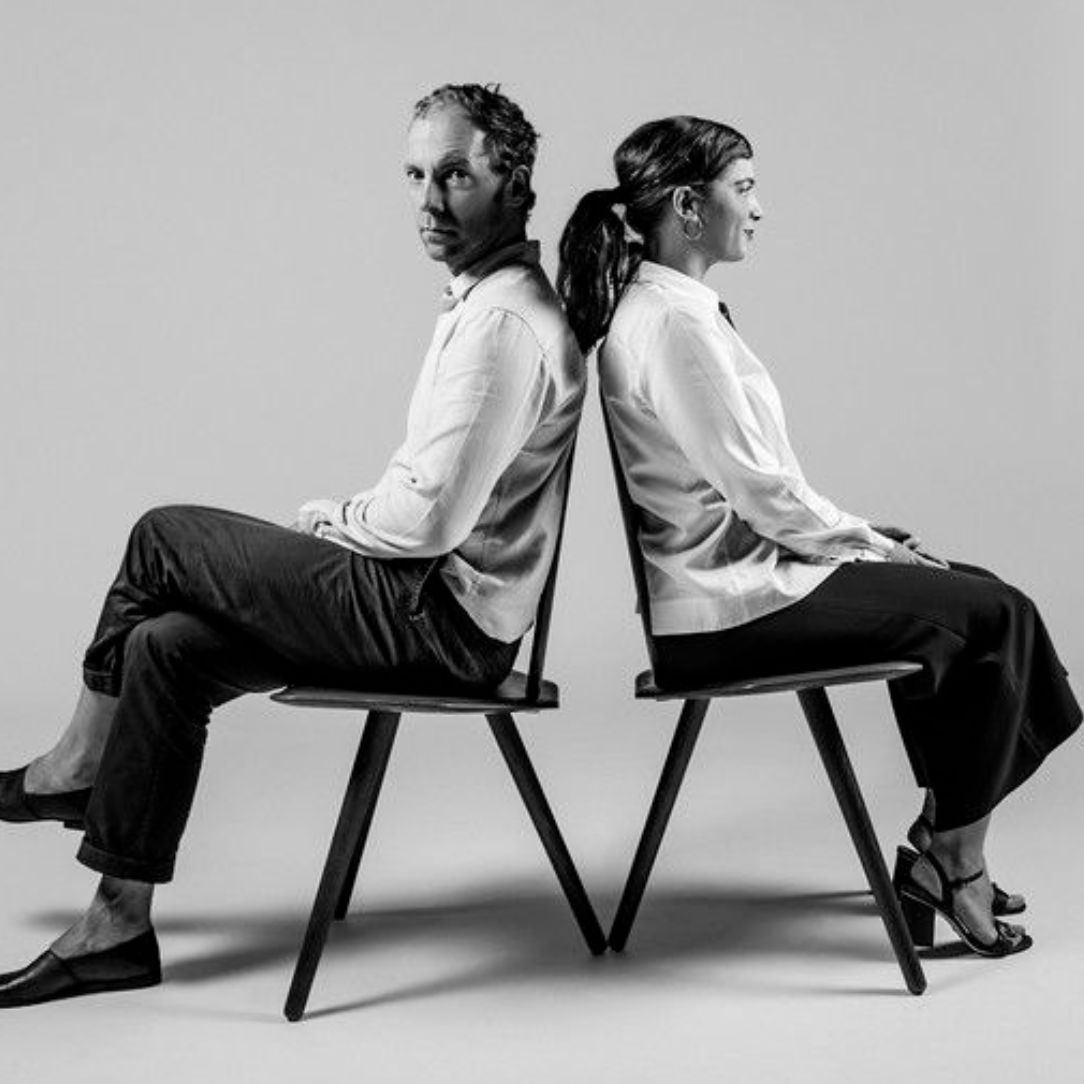
Elisabeth Sobotka — born in Vienna and trained in musicology—has broken historic ground in the opera world. She was the first woman to lead the Bregenz Festival, previously served as artistic director of the opera in Graz, and, since 2024, has been at the helm of the Staatsoper Unter den Linden in Berlin—once again as the first woman in the institution’s more than 280-year history. We deeply value our collaboration with her and look forward to the upcoming opera season. For our newsletter, Elisabeth Sobotka has shared her answer to one special question.
H W
What role does design play in the world of opera?
E S
In the world of opera, we rarely speak of “design” as such. Instead, we speak of aesthetic creation—of stage sets, costumes, lighting, or projections. Especially in the theatrical space, design becomes a language: it translates sound into image, makes music visible, and gives stories form and feeling. In opera, design is more than functional shaping; it enables storytelling, interpretation, and expression.
At the same time, design in the narrower sense is ever-present in opera, even beyond the stage: in the design of programs, posters, or digital formats, it serves as a tool for brand communication. Here, design provides a house with its visual identity, creates recognition value, and conveys its profile and values.